Blog › Article
Squeal, grind, or pulse: what your brakes are trying to tell you
A plain-English guide to brake noises on BMW, Audi, VW, Mercedes and other imports: which sounds are normal, which mean pads are done, which mean stop driving, and what front brake jobs actually cost.
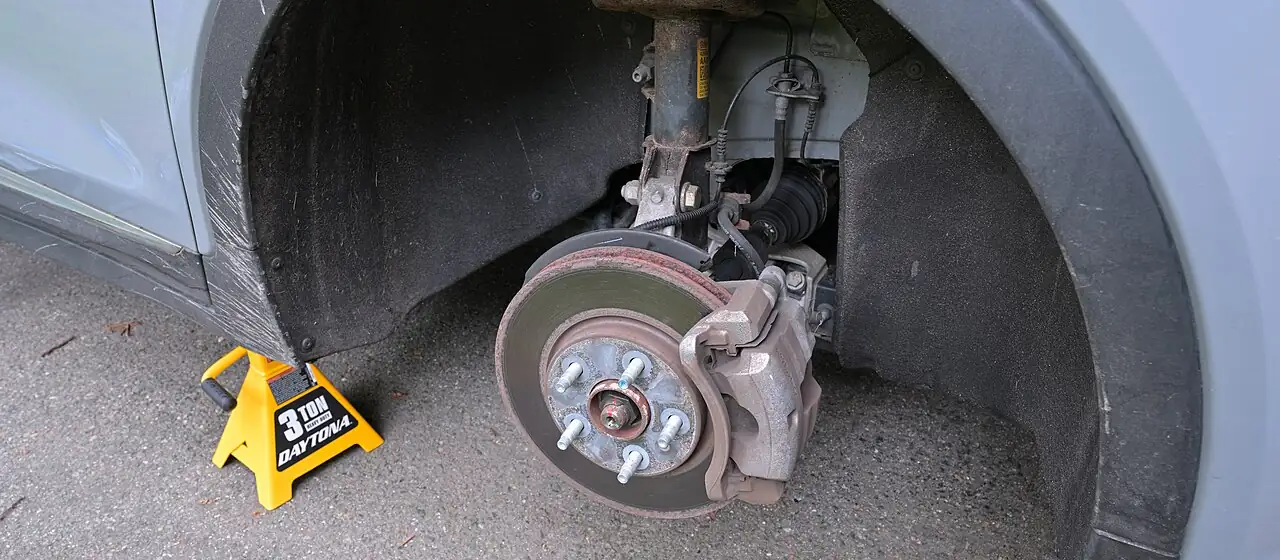
Brakes are one of the few systems on a car that are designed to make noise when they wear out. That's on purpose. The trouble is they also make a bunch of noises that mean nothing at all, and from the driver's seat it's hard to tell them apart.
So let's go sound by sound.
The morning squeak that goes away
Car sat overnight, maybe it rained or snowed, and the first couple of stops make a scratchy squeak or a light grind. By the end of the block it's gone.
That's almost always surface rust. Brake rotors are bare iron, and a thin layer of rust forms on them overnight when there's moisture around. The pads scrape it off in a few stops. Totally normal. If the car has sat for a couple weeks you might even see an orange tint on the rotors.
Ignore it unless it doesn't go away.
A high squeal every time you stop
This one's different. Steady, high-pitched, happens most stops, and it's been getting more noticeable.
On a lot of cars, especially Japanese ones, that's a little metal tab on the brake pad called a wear indicator. When the pad gets thin, the tab drags on the rotor and squeals. It's a built-in alarm. It means book a brake job soon, not pull over now.
Most German cars do it a little differently. BMW, Mercedes, and many Audi and VW models use an electronic wear sensor clipped into one pad per axle. When the pad wears down to the sensor, a brake warning light or message shows up on the dash, usually before you hear anything. On a BMW, the car will often tell you roughly how many miles of pad are left in the service menu. That sensor is meant to be replaced along with the pads, so don't be surprised to see it on the estimate.
Other things that cause squeal:
- New pads during break-in. A few hundred miles of noise after a brake job can be normal.
- Glazed pads, usually after the brakes got really hot, like a long mountain descent riding the pedal.
- Missing or dry hardware, the clips and shims that keep the pads from vibrating.
Grinding
Here's the one that matters.
A low, harsh grinding or scraping when you brake, especially if it's new and happens every stop, usually means the pad material is gone and the steel backing plate is now rubbing on the rotor. Metal on metal.
At that point every stop is cutting grooves into the rotor, and braking isn't as strong as it should be. The repair you could have done for pads and rotors can turn into calipers too if it goes long enough. Get it looked at right away and drive as little as you can until then.
Grinding can also come from a small rock stuck between the rotor and the dust shield. That sounds awful and is often a quick fix. Either way, someone needs to look.
A pulsing pedal or shaky steering wheel
You press the brake at highway speed and the pedal pumps back at your foot, or the steering wheel shimmies. People call this "warped rotors." What's usually happening is the rotor has developed slightly uneven thickness, often from pad material building up unevenly, and the pads grab and release as it spins.
Not an emergency, but it gets worse, and on most imports the fix is new rotors and pads rather than machining the old ones. A lot of European rotors are designed to be replaced with each pad job or every other one anyway.
Clunks when you first press the brake
A single clunk or knock as you start braking, or when you go from reverse to drive, is usually movement. Worn caliper hardware, a loose caliper bracket, or a tired suspension bushing shifting forward under load. Worth checking, because loose parts don't fix themselves.
The ones that mean stop now
Not every warning is a noise. Pull over and get it towed or checked if:
- The pedal goes soft or sinks toward the floor
- The red brake warning light comes on (that's different from the yellow pad-wear light)
- The car pulls hard to one side when you brake
- You smell something hot and acrid from one wheel and that wheel is much hotter than the others, which can mean a stuck caliper
Brake fluid, the part everyone forgets
Brake fluid slowly absorbs moisture from the air. Over time that lowers its boiling point, and old fluid can boil on a long downhill and give you a soft pedal right when you need it. BMW, Mercedes, VW and Audi all call for brake fluid changes on a time interval, usually every two years or so, not just by mileage. Check your owner's manual or service booklet for yours.
That matters more here than in a lot of places. Coming down I-70 from the tunnel or down from Monarch Pass is a long, steep grade. Shift to a lower gear (use the manual mode or paddles if you have them) and let the engine help hold the car back, instead of riding the brakes the whole way down. Your pads, rotors, and fluid will all thank you.
What a front brake job actually costs
Euro brake jobs cost more than people expect, mostly because the parts are bigger and the rotors almost always get replaced. Here's what owners have reported paying for front pads and rotors:
- BMW 3 Series (E90/F30) front brakes, 4 reports
- Audi A4 (B8) front brakes, 4 reports
- Mercedes C and E Class front brakes, 5 reports
- Volvo front brakes, 3 reports
Brakes are also one of the jobs where the gap between the dealer and an independent shop tends to show up clearly. Our dealer vs independent comparison has the side-by-side numbers, and if you've already got an estimate in hand, how to tell if a repair quote is fair walks through what should be on it.
This article is general information for car owners. It is not a substitute for a diagnosis by a qualified mechanic who can inspect your car. Prices mentioned are medians of owner reports, not quotes.