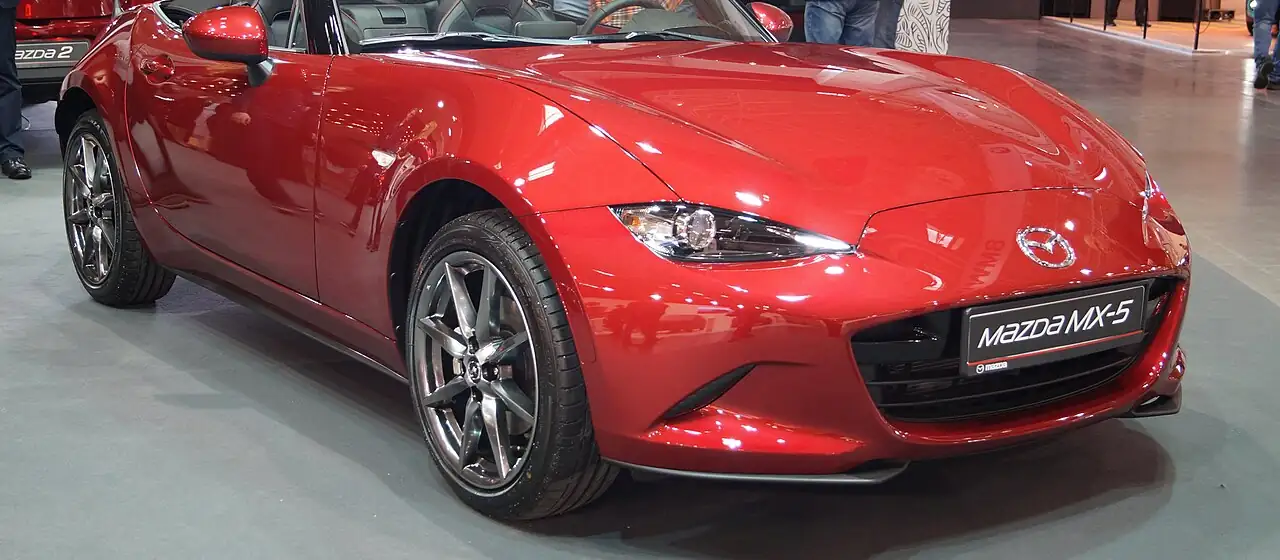
Mazda ownership notes: Skyactiv engines, direct injection, oil change habits, rust on older models, and the questions to ask a shop that works on Mazdas.
Mazdas are usually a pretty easy car to own. The Skyactiv cars (most Mazdas from about 2012 on) are well regarded, and they don't have the long list of known big failures some brands do. That's part of why this page is shorter.
Skyactiv engines
The 2.0 and 2.5 Skyactiv-G engines are direct injected, so carbon on the intake valves can show up over time like other DI engines. They also use a timing chain, so there's no belt to replace. The 2.5 Turbo is newer and tends to be fine with regular oil changes and decent fuel.
Older Mazdas
- The rotary RX-8 is a different animal. Low compression and oil consumption are how those engines live. Find a rotary specialist.
- Older Mazda3s and 6s can rust, especially around the rear wheel arches. Colorado mag chloride on winter roads doesn't help. Rinse the underside in spring.
- Older V6s (the 3.0 shared with Ford) use a water pump driven by the timing chain inside the engine, which makes a pump failure expensive. Watch for coolant loss on those.
Basic care
Oil changes on time, coolant per the manual, brake fluid every few years, and the automatic transmission fluid checked on high-mile cars.
Data
No Mazda price reports yet. If you've paid for Mazda work at a Denver shop, please send it in.
Ask the shop
- Do you see a lot of Mazdas?
- Any sign of carbon or misfires that would point to it?
- Is there rust I should deal with now before it spreads?