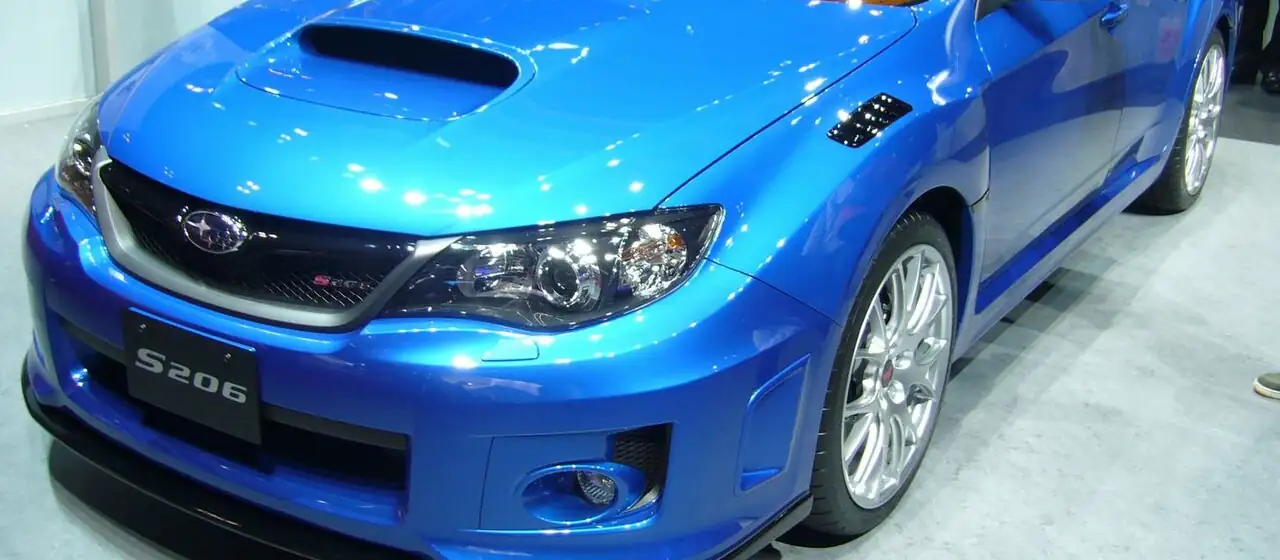
Subaru ownership notes for the most Subaru-heavy state around: head gaskets, timing belts, CVT fluid, oil consumption, wheel bearings and alignment after potholes.
Colorado runs on Subarus. If you drive one, here's what's worth knowing, sorted by the engine you've got.
Older EJ engines (most models up to about 2011, WRX and STI longer)
- Head gaskets on the non-turbo EJ25. Our head gasket guide has the details.
- Timing belt. EJ engines use a belt, not a chain. Our WRX timing belt guide covers what a full kit includes. Non-turbo cars need it too.
- Valve cover gasket and spark plug tube seals leak oil onto the exhaust.
Newer FB and FA engines (about 2011 on)
These use timing chains, so no scheduled belt. Some early FB engines (around 2011 to 2014) had oil consumption issues, so check the dipstick between changes. The turbo FA20 in the 2015 to 2021 WRX is direct injected and can get carbon on the intake valves.
CVT
Most newer Subarus have a CVT. Subaru has called the fluid lifetime on a lot of models, but plenty of shops suggest changing it somewhere around 60,000 miles, more often if you tow or drive hard in the mountains. Ask your shop.
All-wheel drive things
- Keep all four tires matched in size and wear. Mismatched tires stress the AWD system.
- Rotate on schedule.
- Wheel bearings wear out, and you'll hear a hum that changes with speed.
- Get an alignment after a big pothole hit or curb strike. Uneven tire wear shows up fast on these.
Ask a Subaru specialist
- For head gaskets: engine out, heads resurfaced, timing kit included?
- For timing belts: which kit, and is the water pump in it?
- What do you recommend for CVT fluid on my model?