Blog › Article
What Denver's altitude actually does to your car
Thin air at 5,280 feet changes how much power your engine makes, how your cooling system and tires behave, and what octane you really need. Here's what's normal and what isn't.
People who move here from the coast notice it in the first week. The car feels slower. Not broken, just a little lazy getting onto the highway. Then they drive up to the mountains and it gets worse, and they start wondering if something's wrong.
Usually nothing's wrong. It's the air.
Less air, less bang
An engine makes power by burning fuel with oxygen. At Denver's elevation the air is roughly 17 percent less dense than at sea level, so every time a cylinder fills up, there's less oxygen in it. The computer sees that through its sensors and adds less fuel to match. Smaller burn, less power.
The rule of thumb most people use is about 3 percent power lost for every 1,000 feet of elevation on a naturally aspirated engine. That's a rough number, not a law, but it puts a regular non-turbo engine somewhere in the mid-teens, percentage-wise, down from its sea-level rating in Denver. Head up to Eisenhower Tunnel at over 11,000 feet and it's a lot more than that.
So a non-turbo Outback, Camry or Accord with a load of people and gear climbing I-70 is going to downshift, rev higher and feel like it's working. That's normal.
Turbos mostly don't care
This is why turbo cars are so popular out here.
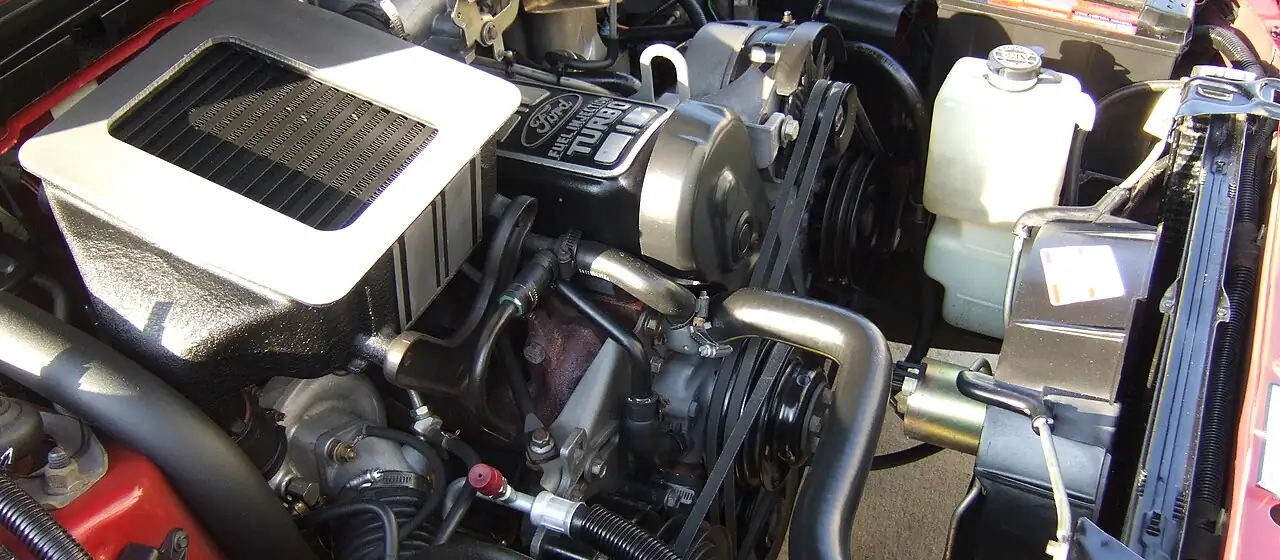
A turbocharger packs air into the engine under pressure. When the outside air is thinner, the turbo just spins faster to hit the same boost. A WRX, a 2.0T GTI or Audi, or a turbo BMW loses far less at altitude than a naturally aspirated car does. They aren't magic, though. The turbo is working harder to do it, which means more heat, and at very high elevations it can run out of room.
The 85 octane thing
Pull into any Colorado gas station and the cheap stuff says 85. Back east, regular is 87. Here's what's going on.
Lower air pressure means lower pressure in the cylinders, so engines are a bit less prone to knock at altitude. Years ago, with carbureted engines, 85 was considered fine up here, and the label stuck around.
Modern engines are different. They have knock sensors and adjust timing on the fly, and a lot of them, turbo direct-injection engines especially, are tuned around higher octane. The best guidance is boring: use what your owner's manual says. If it says 87, Colorado's midgrade usually covers it. If it says premium required, Colorado premium is 91, and that's what it wants. Plenty of European cars fall into that second group, and running cheap gas in them can cost you power and, over time, invite trouble you don't want.
Your coolant boils sooner up here
Water boils around 202°F in Denver instead of 212°F. Coolant follows the same idea.
The cooling system handles this with pressure. The radiator or expansion tank cap holds the system under pressure, which pushes the boiling point well up. That's why the cap actually matters. A tired cap that won't hold pressure lowers the boiling point, and at altitude you've got less margin to give up in the first place.
Add a hot July afternoon, the A/C on, and a long grade, and this is where marginal cooling systems get found out. A slow leak, an old thermostat, a lazy fan. If your temperature gauge is creeping on climbs it didn't used to, don't ignore it. We wrote up what to do when your car starts overheating, and it's worth a read before your next mountain trip.
Tire pressure moves around a lot
Two things push your tire pressure around here.
First, elevation. Your gauge measures the difference between the air inside the tire and the air outside. Drive up from Denver into the high country and the outside pressure drops, so your tires read a bit higher. Drive down to Kansas and they read lower.
Second, temperature, which is the bigger one day to day. The common rule is about 1 psi for every 10 degrees Fahrenheit. Colorado can swing 40 degrees between a sunny afternoon and the next morning. That's how you get a tire pressure light on a cold October morning that goes away by lunch.
Set your pressures cold, first thing in the morning, to the number on the driver's door jamb. Not the number on the tire sidewall. That's the max.
Going down is harder than going up
Climbing the hill tests the engine. Coming down tests the brakes.
Riding the brakes all the way down a long grade like I-70 out of the tunnel heats them up until they fade, meaning the pedal gets softer and the car doesn't slow like it should. You'll often smell it first, a sharp, hot smell like burnt carpet. Ride down in a lower gear and let the engine hold the car back. Paddle shifters and manual mode exist for exactly this. Brake firmly when you need to, then let off, instead of dragging them the whole way.
Brake fluid also soaks up moisture over time, which lowers its boiling point, and that matters a lot more on a long downhill. Check your maintenance schedule by make if you're not sure.
What's not normal
Thin air explains a car that feels a little lazy. It doesn't explain:
- A check engine light, especially a flashing one
- Rough running, stumbling or misfiring on climbs
- A temperature gauge sitting higher than usual
- A big drop in fuel economy that came on suddenly
- A strong fuel smell
Those are problems, not altitude. A worn coil, a dirty sensor or a clogged air filter that the car could get away with at sea level tends to show up sooner here, because the engine has less extra to give.
If it does need work, see what owners have paid for common repairs, and check our dealer vs independent comparison before you decide where it goes.
This article is general information for car owners. It is not a substitute for a diagnosis by a qualified mechanic who can inspect your car. Prices mentioned are medians of owner reports, not quotes.